
Medically reviewed by Donald R. Hoaglin, DDS, board-certified oral and maxillofacial surgeon, Arizona Center for Oral Surgery.
If an upper back tooth is coming out, or one just did, your surgeon has probably handed you a list of sinus precautions. At first glance the instructions look odd. Don’t blow your nose. Don’t use a straw. Sneeze with your mouth open. Skip the flight to Denver next weekend.
None of it is arbitrary. The roots of your upper molars and premolars sit directly beneath the floor of your maxillary sinus, sometimes separated by bone thinner than a fingernail. Sinus precautions exist to keep pressure from pushing through that healing area before it seals. Follow them for about two weeks and the vast majority of extractions heal without a single complication. Ignore them and a routine recovery can turn into a second procedure.
Here’s what these instructions actually mean, how long they last, and the specific things that make them harder to follow across the Phoenix metro.
What Are Sinus Precautions?
Sinus precautions are a short list of activity restrictions that protect the thin barrier between your mouth and your maxillary sinus after an upper tooth is removed. They all share one goal: preventing sudden pressure changes in your nose and sinuses while the extraction site heals.
Every action on the “avoid” list, blowing your nose, sneezing with a closed mouth, sucking through a straw, lifting something heavy, spikes pressure inside the sinus or inside your mouth. That pressure has to go somewhere. If the bone and tissue over the socket haven’t sealed yet, it can push straight through and create an open channel between your sinus and your mouth.
Why Upper Back Teeth Sit So Close to Your Sinus
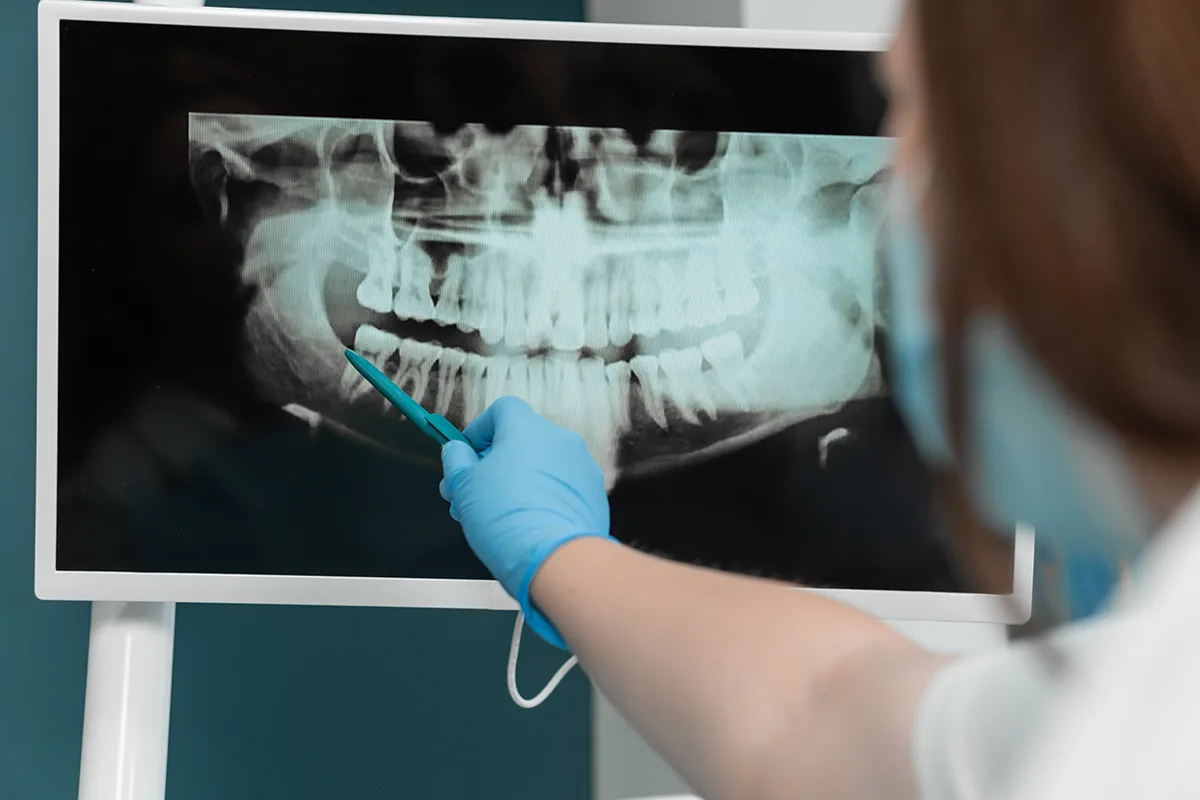
Your maxillary sinuses are two air-filled chambers in your cheekbones, and their floor rests right on top of the upper tooth roots. In many people that floor is a substantial shelf of bone. In others, the roots of the first and second molars actually tent up into the sinus, with only a paper-thin membrane in between.
That anatomy is why upper molar extractions carry a risk that lower ones simply don’t. Published research on upper third molar removal has reported maxillary sinus openings in up to roughly 13% of cases, with the rate climbing higher when a tooth is deeply displaced, you can read the underlying study on the National Library of Medicine’s PMC archive. Estimates vary widely between studies and patient populations, so treat that as a general range rather than your personal odds.
The important part: a small sinus opening at the time of surgery is a known, manageable event, not a mistake. Most close on their own within a couple of weeks — provided you protect the site.
Sinus Precautions: The Complete Do and Don’t List
These apply from the moment your tooth extraction is finished until your surgeon clears you.
Do Not, for the Full Two Weeks
- Blow your nose. This is the single biggest one. Dab or wipe instead.
- Use a straw. Suction pulls on the socket from the opposite direction and also raises dry socket risk.
- Smoke or vape. Both the suction and the chemistry work against you.
- Sneeze with your mouth closed. Let it out through an open mouth so pressure escapes.
- Lift anything heavy or do strenuous exercise. Straining spikes sinus pressure. Walking is fine.
- Fly, scuba dive, or drive to high elevation. Cabin and altitude pressure changes are exactly what you’re avoiding. A day trip from Phoenix up to Flagstaff, Payson, or Prescott counts.
- Play wind instruments. Same principle.
- Swish vigorously or spit forcefully. Let water fall out of your mouth instead.
Do, Starting the Same Day
- Sleep with your head elevated on an extra pillow for the first several nights.
- Take every dose of prescribed antibiotics to the end, even once you feel fine.
- Use a decongestant or nasal spray if instructed — but only if your surgeon specifically approved it.
- Drink plenty of water directly from the glass. Hydration thins secretions and supports healing.
- Eat soft, cool foods for the first few days and chew on the opposite side.
- Keep your follow-up appointment even if nothing hurts. That visit is where we confirm the site has sealed.
How Long Do Sinus Precautions Last?
For most patients, sinus precautions last 10 to 14 days. Your surgeon may shorten that after a straightforward extraction with no sinus involvement, or extend it to three or four weeks if a communication was identified and repaired during surgery.
Two weeks is the standard because that’s roughly how long soft tissue takes to close reliably over the site. Bone fills in underneath over the following months. The restrictions come off in stages: nose-blowing and exercise are usually the last to be cleared. Don’t self-clear based on how good you feel. A site can feel completely normal and still be open.
What Makes Sinus Precautions Harder in Phoenix
Standard post-op instructions were not written with the Sonoran Desert in mind. Three realities of living in Phoenix deserve a plan.
Allergy Season
The Phoenix area’s olive, mulberry, and ash pollen surge runs roughly February through April, with ragweed returning in the fall. Being told not to blow your nose during peak allergy season is genuinely difficult. If you have known seasonal allergies and your extraction is elective, scheduling outside those windows is worth considering. If it isn’t elective, tell us before surgery, allergy control becomes part of your post-op plan rather than an afterthought.
Monsoon Pressure Swings
July through September brings rapid barometric shifts across the Valley along with dust and humidity. Most patients notice nothing. If you’re someone who reliably feels storm fronts in your sinuses, mention it. Haboob days are also worth staying indoors for while you’re healing.
Dry Air, Year-Round
Phoenix humidity in single digits plus constant air conditioning dries out the nasal passages, which makes crusting and the urge to blow your nose much worse. A bedroom humidifier and steady water intake do more for compliance than willpower does. Saline nasal spray is often helpful too, but confirm with us first, since not every spray is appropriate right after surgery.
Warning Signs: Call Us, Don’t Wait
Contact our office promptly if you notice any of the following:
- Air, liquid, or food passing between your mouth and your nose
- Water or juice coming out of your nostril when you drink
- A whistling or air-leak sound when you speak or breathe
- A persistent salty or foul taste that doesn’t rinse away
- Nasal discharge from one side only, especially if it’s discolored
- Increasing facial pressure, cheek pain, or pain around the eye after day three
- A nosebleed on the surgical side that doesn’t settle
None of these mean something has gone badly wrong. They mean the site needs to be evaluated, and evaluated soon. Small openings caught early are usually managed simply. Openings left alone for weeks can become an oroantral fistula; a persistent tract that requires a more involved surgical repair and can lead to chronic sinus infection.
How We Reduce Sinus Risk Before You’re Ever in the Chair
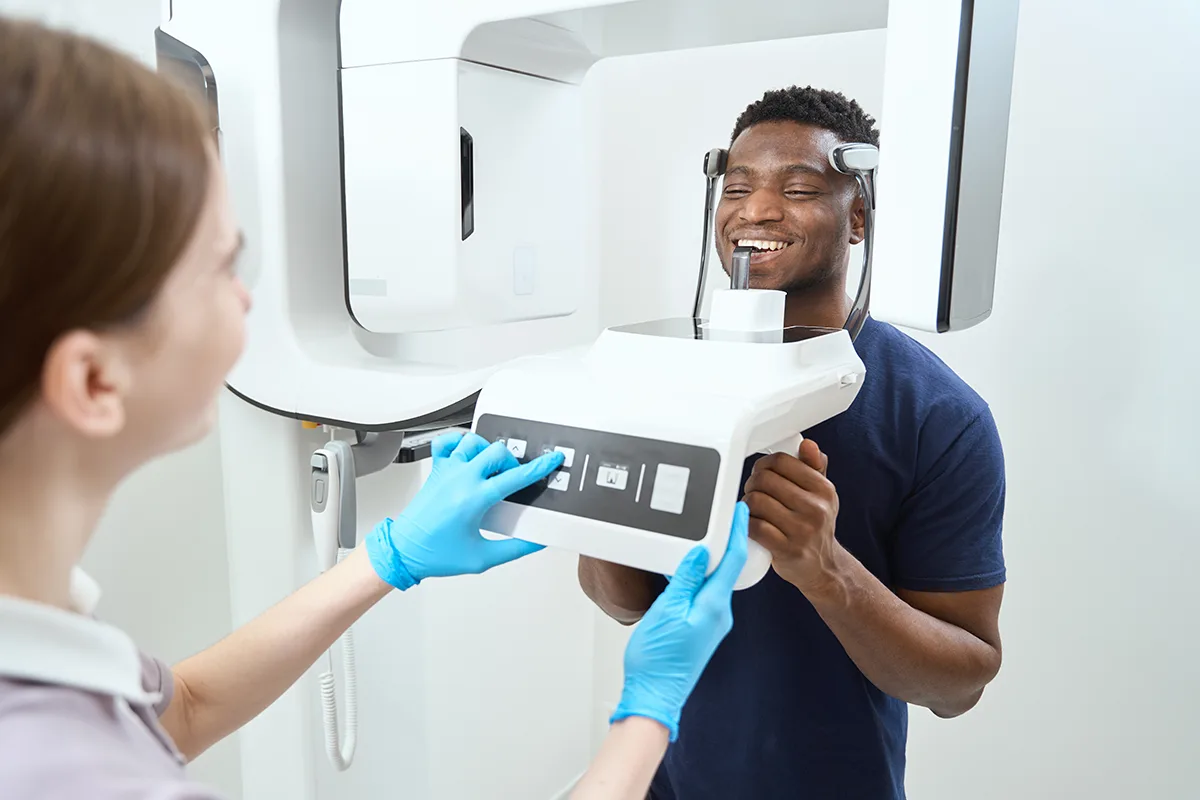
The best time to manage sinus risk is before the extraction, not after it. During your consultation we assess exactly where the sinus floor sits relative to each root, and how much bone is between them.
Cone beam CT scanning gives us a three-dimensional view that a standard flat X-ray simply cannot. We can see whether a root is genuinely projecting into the sinus, whether the sinus has an unusual shape, and how to sequence the extraction to keep the membrane intact. That single piece of information changes the surgical plan more often than most patients expect.
When the sinus floor is thin or already involved, we frequently place a graft material into the socket at the time of removal. Socket preservation supports the healing tissue and maintains ridge volume, which matters a great deal if an implant is in your future. Where a larger defect exists, bone grafting rebuilds the foundation properly rather than leaving a compromised site to fill in on its own.
Upper third molars carry the highest sinus exposure of any routine extraction, which is one reason wisdom teeth removal belongs with a board-certified oral and maxillofacial surgeon rather than a general practice. If yours are still on the to-do list, our guide to what to know before wisdom teeth removal covers the rest of the preparation.
Frequently Asked Questions About Sinus Precautions
What happens if I blow my nose by accident?
One reflexive nose-blow is not a guaranteed problem. Watch for air or liquid moving between your nose and mouth over the next day. If you notice either, call us. If nothing changes, continue your precautions as normal and mention it at your follow-up.
Can I take allergy medication during sinus precautions?
Usually yes, and often we encourage it, controlling congestion reduces the urge to blow your nose. Check with us first, because some decongestants interact with post-operative medications and some nasal sprays aren’t appropriate in the first few days.
When can I fly after an upper tooth extraction?
Most surgeons ask patients to avoid air travel for about two weeks after an upper extraction involving the sinus. Cabin pressure changes during ascent and descent are exactly the kind of stress the healing site can’t tolerate. Tell us about upcoming travel when we schedule, and we’ll plan around it.
Do sinus precautions apply to lower teeth?
No. Your sinuses sit above your upper teeth only. Lower extractions have their own instructions, including no straws and no smoking, for dry socket rather than sinus reasons.
Is it normal to feel sinus pressure after an upper extraction?
Mild fullness or pressure on the surgical side during the first two or three days is common as swelling settles. Pressure that increases after day three, or that comes with one-sided nasal discharge or fever, should be evaluated.
What is an oroantral communication?
It’s an opening between the mouth and the maxillary sinus, typically created when an upper molar root separates from a very thin sinus floor. Small ones frequently close on their own with precautions and antibiotics. Larger or persistent ones need surgical closure, which is a routine procedure for an oral and maxillofacial surgeon.
Talk to a Phoenix Oral Surgeon
Sinus precautions work. The patients who run into trouble are almost always the ones who felt fine on day four and decided the rules no longer applied. Give the site its two weeks.
If you have an upper extraction coming up, or you’re already healing and something doesn’t seem right, we’re here. Arizona Center for Oral Surgery serves patients across the Phoenix metro, including Glendale, Peoria, Surprise, and North Phoenix, from our office at 18301 N. 79th Ave., Building G, Suite 185, Glendale, AZ 85308.
Call (623) 931-9197, request an appointment online, or contact our office with a question.
This article is for general education and is not a substitute for individual medical advice. Follow the specific post-operative instructions given to you by your surgeon. Professional standards referenced here align with guidance from the American Association of Oral and Maxillofacial Surgeons.
